Table Of Content
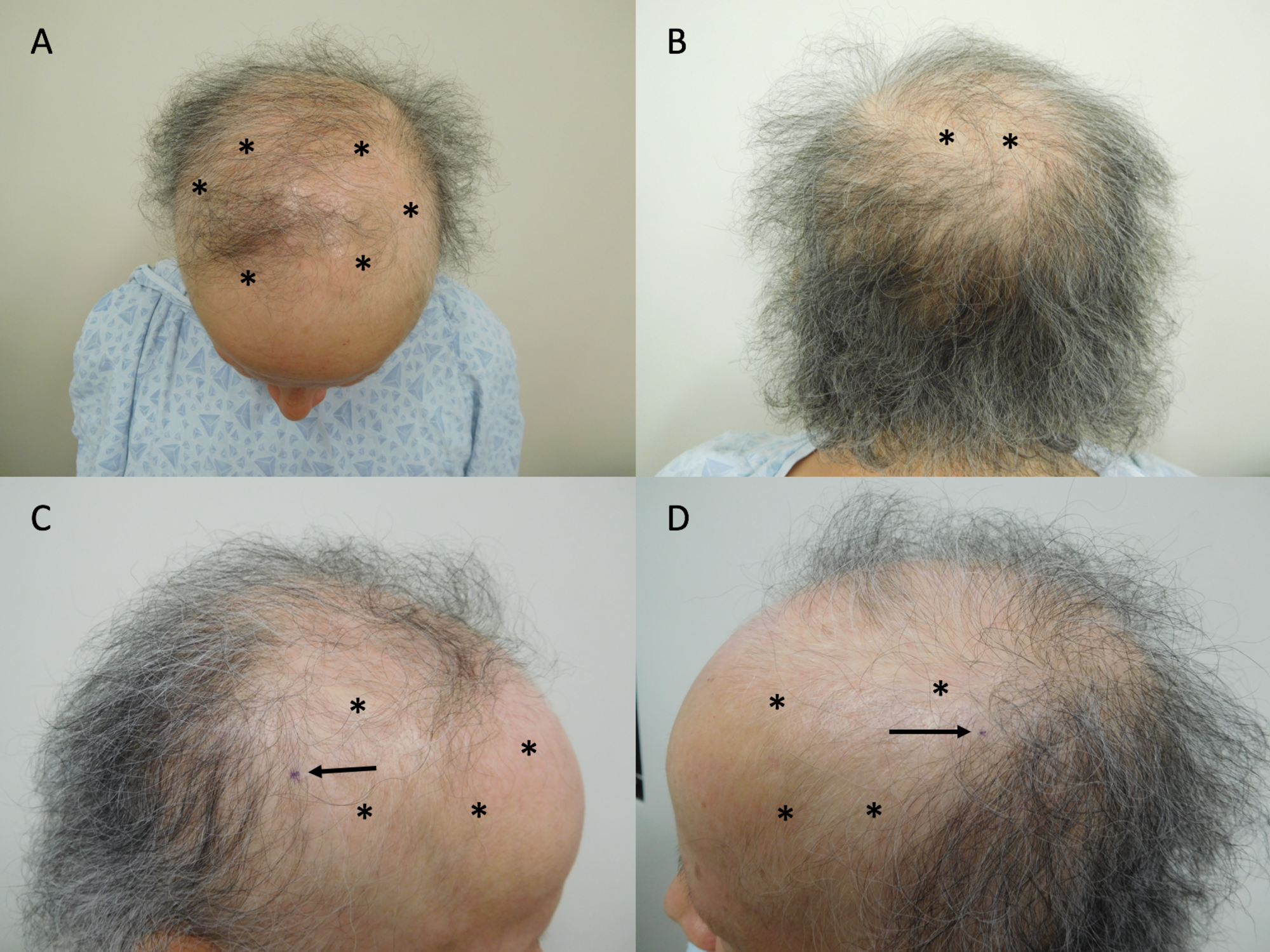
It can be an emotional challenge that affects your self-image and quality of life. It is important to be kind to yourself during this stressful time. Hair usually begins falling out 2 to 4 weeks after you start treatment. Dr. Billingsley, who was not involved in the trial, said, overall, patients she’s treated with Elahere have a good quality of life. Based on these results, FDA gave Elahere an accelerated approval in November 2022.
Side effects of cancer drugs
Check with your care team to find out if it’s a potential side effect for the drugs you’ll be taking. Changes to your hair and hair loss during cancer treatment can be challenging. Managing side effects like hair loss and the emotions that come with it are an important part of cancer care and treatment. Talk with your health care team about how you can cope with treatment-related hair loss. For most people, chemo-related hair loss is temporary. After chemo stops and your follicles are healthy, your hair should start to grow back.
action: 'healthbeat'
Because FR-α is primarily found on cancer cells, healthy cells are largely spared. Most people’s hair will grow back once chemotherapy treatment has finished. This only happens with very high doses of particular drugs. You can ask your doctor or specialist nurse whether your drugs are likely to cause hair loss. Many people choose to shave their heads when their hair begins to fall out in clumps.

Editorial Advisory Board Member, Harvard Health Publishing
In some people who received the drug, their cancer disappeared entirely for a period. In a subsequent trial limited to people with high levels of FR-α, dubbed SORAYA, Elahere shrank tumors in nearly 40% of people. The FDA approval was based on the results of a large randomized clinical trial called MIRASOL. It also improved how long they lived without their cancer getting worse, known as progression-free survival. Participants treated with Elahere also had fewer serious side effects. If you have healthy hair on the back or side of your head, a doctor can surgically remove hair strands from those areas and graft them into your scalp in a bare area.
If you choose not to wear one, don’t forget to apply sunscreen to your scalp to protect against sunburn. Wearing a soft cap or turban around your head at night can help collect loose hair as it falls out. Don’t braid your hair or put it into a ponytail since both can tug on it. A silk pillowcase will also reduce friction when you’re asleep. To slow down hair loss, stay away from shampoos that contain strong fragrances, alcohol, or salicylic acid.
Stay on top of latest health news from Harvard Medical School.
But only some chemotherapy drugs cause hair loss or slight hair thinning. Chemotherapy works by killing rapidly dividing cells, including cancer cells. But chemotherapy can’t tell the difference between cancer cells and other normal cells that also divide quickly, such as those in hair follicles. When chemotherapy attacks the hair follicles, it causes the hair to fall out. A process called scalp cooling can reduce or prevent hair loss due to chemotherapy. It is not suitable for everyone having chemotherapy.
What percentage of chemo patients lose their hair?
Less blood and less of the chemotherapy reaches your hair follicles through the blood vessels. Keeping your scalp very cold also helps prevent damage to the hair follicles. A person may find they are more comfortable wearing wigs or scarves to cover their hair loss. Other people may find it easier to shave their hair off themselves before it starts to fall out. You have to continue wearing the cold cap for some time afterwards. The time you need to wear it will depend on what type of chemotherapy drug you’ve had.
Patient stories on hair loss and thinning
It’s another expensive treatment that isn’t generally covered by insurance, but it tends to be a long-lasting solution. By contrast, scarring alopecia, another autoimmune disease that causes hair loss, is often accompanied by itchiness, tenderness and scaling of the scalp. Scarring alopecia is the most devastating type of hair loss, Mirmirani says, because it permanently destroys the hair follicles. Hair loss and hair thinning can be temporary or permanent.
New scalp cooling treatment helps reduce hair loss for patients undergoing chemotherapy - 47abc - WMDT
New scalp cooling treatment helps reduce hair loss for patients undergoing chemotherapy - 47abc.
Posted: Fri, 06 Oct 2023 07:00:00 GMT [source]
Hair regrowth after cancer treatment
Many people have tried scalp massage to increase blood flow to the hair follicles. While this probably has little role in preventing hair loss, it can be a loving and soothing act of kindness from a helpless feeling loved one. One of the most distressing side effects of chemotherapy is hair loss (alopecia). For many of us, our hair is part of our image, the way the public sees us when we step outside. Hair loss typically begins one to three weeks into chemo treatment. Some people notice mild thinning, while others may lose hair over their entire body.
Make hair loss less scary by asking your doctor what exactly will happen. Many, but not all, chemotherapy drugs cause hair loss. Ask your care team if your chemotherapy treatment will result in hair loss. Scalp cooling is currently approved for people of any age being treated with chemotherapy for most cancers.

Its cooling effect reduces blood flow to the scalp, which also reduces the amount of chemotherapy medication that reaches this area. In people who have used cold caps, reports of cancer appearing in the scalp are extremely rare. More research is needed, however, to clearly understand this potential risk. Several techniques for preventing chemo hair loss have been tried with varied success. “Scalp cooling” is one of these methods, and involves applying cool compresses to the head while chemotherapy is being given. The theory behind this is to contract blood vessels near the scalp so that the medication does not reach hair follicles.
It is now the third piece of kit that patients can use to prevent hair loss which can be an additional distress to those going through chemotherapy. Before you have any chemical treatment such as colouring, perming or chemical relaxing, it is a good idea to ask a hairdresser or barber for advice. It is important to carry out strand and skin sensitivity tests to make sure products will not cause any damage or allergic reaction. Tell your hairdresser or barber that you have had cancer treatment.
A person’s hair may begin to grow back before they finish treatment. It may show up in patches, or even with a different color or texture than it did before. Look Good Feel Better is a free program that provides hair and beauty makeovers and tips to women with cancer. These classes are offered throughout the United States and in several other countries.
It destroys cancer cells in the area where the radiotherapy is given. About 3 to 6 months after treatment ends, your head will probably have a covering of very short hair. By 12 months after your treatment ends, you should have an idea of how thick your hair will be. Afro hair grows more slowly so it may take longer to know what your hair will be like.
Low-dose oral minoxidil (prescribed off-label) has been found to be effective and safe for most patients, Mirmirani says. Other oft-used drugs include finasteride (Propecia) and spironolactone. Most users see results after consistent use for about two months. Ask your specialist nurse if wearing a cold cap during chemotherapy is suitable for you. If you're worried, you can discuss the possible risks with your specialist nurse.