Table Of Content

But this is rare and usually depends on the dose you’ve had and for how long you’ve had it. Speak to your doctor or specialist nurse if you are worried about this. Most people think that all chemotherapy drugs always cause hair loss.
'It saved a lot of my hair during chemotherapy' – breast cancer patients praise cooling caps
"When I had my chemotherapy I had done some research about cooling caps, I realised I had the right kind of hair for it to be successful – thick and dark. You may have lost your hair during cancer treatment. Most people find their hair will start to grow back after treatment. Your hair may need to get to a certain length before you can have it cut or apply any treatments. Your doctor or specialist nurse can tell you more about the risk of hair loss with your type of drug. It’s hard to know who will experience partial or complete hair loss while undergoing chemo.
Donate Blood
You should do this even if you have used the same product before. Apply a small amount of colour to a hidden area of hair and scalp, such as behind the ear. There are a lot of ways to cover your head if your hair falls out. The Reversible Chemo Hat is a free pattern for a reversible cap that can help keep the head warm but yet, when tied as shown, will stay on even overnight! Adult and youth size pattern templates are included. We want everyone affected by cancer to feel our information is written for them.
action: 'healthbeat'
Whether your hair thins or you become completely bald will depend on your treatment. Talk to your healthcare team about the chemotherapy medicines you'll receive. Talk to your cancer care team about any fears or concerns you have about losing your hair.
What lifestyle changes can help me avoid prostate cancer?
If you want to wear a wig, try to get one before your hair falls out because it will be easier to match your hair color and style. If you have already experienced hair loss, bring a photo of your usual hairstyle and, if you can, a lock of your hair. This will help you find a wig that looks like your hair did before your treatment started. Chemotherapy can cause hair loss on your scalp, pubic area, arms, legs, eyebrows, and eyelashes. Radiation therapy to your head often causes hair loss on your scalp.
Coping with hair loss related to cancer treatment
Dozens of over-the-counter supplements and products purport to reverse hair loss, making it tough for patients to know which ones work and which don’t. This prevents hair loss and even in instances where hair does thin out, it helps maintain its condition and assists with regrowth. Natural products may still cause an allergic reaction.
Side effects of cancer drugs
Topical medications have also not been found to be effective in preventing hair loss from chemo. Hair loss usually doesn’t happen immediately after chemotherapy. It usually starts one to two weeks after the first treatment with chemo. These chemotherapy agents are more likely to cause hair loss. They include Taxol (paclitaxel), Taxotere (docetaxel), Ellence (epirubicin), Ixempra (Ixabepilone), and Vincasar (vincristine). This article will review hair loss from chemotherapy, why it happens, how to manage it, and what to expect.

Cold caps during chemotherapy
They inhibit enzymes that are needed for cell reproduction. These include the taxanes (made from the bark of the Pacific yew tree) and vinca alkaloids (derived from the periwinkle plant). Antimetabolites impersonate the building blocks for RNA and DNA, keeping the genetic material from making copies of itself, so the cell can't divide. They are used for breast, ovarian, and colon cancer, as well as leukemia.
Health Writer
Will you lose your hair under preventative chemotherapy? Full list of symptoms explained - Express
Will you lose your hair under preventative chemotherapy? Full list of symptoms explained.
Posted: Mon, 25 Mar 2024 07:00:00 GMT [source]
Doing so may help prevent furry sheets and clogged drains, and headcovers or wigs may fit better. Hair loss from chemotherapy usually starts in the few weeks following chemo. Many chemotherapy medications may cause hair loss, but not all of them will. The hair regrowth begins not long after chemotherapy treatment has ended. Knowing what to expect can help you prepare for chemotherapy.
If you have permanent hair loss in one area of your head, it may be possible to have a hair transplant. However, hair transplants are specialised treatments. The other important thing if you are talking about scarves is looking at the size um and texture of what they are. It won’t provide enough coverage so when you tie it you’ll find you’ve got sort of gaps and won’t be a good size.
One preventive measure is the use of scalp cooling. This can be done with ice packs, cooling caps, or scalp cooling systems used before, during, or after treatment. This causes the capillaries supplying the hair follicles to constrict, exposing them to less chemotherapy medication. Ask your doctor about “scalp cooling.” A tight cap filled with cold gel reduces hair loss for some people. The temperature narrows blood vessels underneath the scalp, limiting the amount of medicine that reaches hair follicles.
Some find it helps to shave their head or cut their hair short once they experience hair loss. While waiting for your hair to grow back, you can wear a hat, wig, turban, or scarf. Many people prefer to go without a head covering or wearing one occasionally. Hair loss is a common side effect from chemotherapy. It occurs due to the way chemotherapy works-by interfering with the way cells divide.
Certain chemotherapy drugs may cause hair loss in some people but not in others. All chemo drugs don’t cause hair loss, also called alopecia. If it happens, you’ll usually notice it within the first 2 weeks of treatment. However, using scalp hypothermia also results in a very small risk of cancer happening in your scalp. This is because this area doesn't get the same dose of chemotherapy as the rest of your body. People undergoing scalp hypothermia report feeling very cold and having headaches.
Jill Martin on getting an 'ambush makeover' as she tries on wigs after hair loss - The Independent
Jill Martin on getting an 'ambush makeover' as she tries on wigs after hair loss.
Posted: Thu, 28 Dec 2023 08:00:00 GMT [source]
Gina from Dawley was just 31 when she was diagnosed with triple negative breast cancer. “We all ran awareness about the caps and what we were doing and just decided to share our own different stories and how we were all affected. If you are colouring your hair at home, always follow the instructions. If you want a permanent colour with highlights and lowlights, it is best for a trained hairdresser or barber to do this. It is important to make sure the colour will not damage your hair or cause an allergic reaction before applying it to your hair.
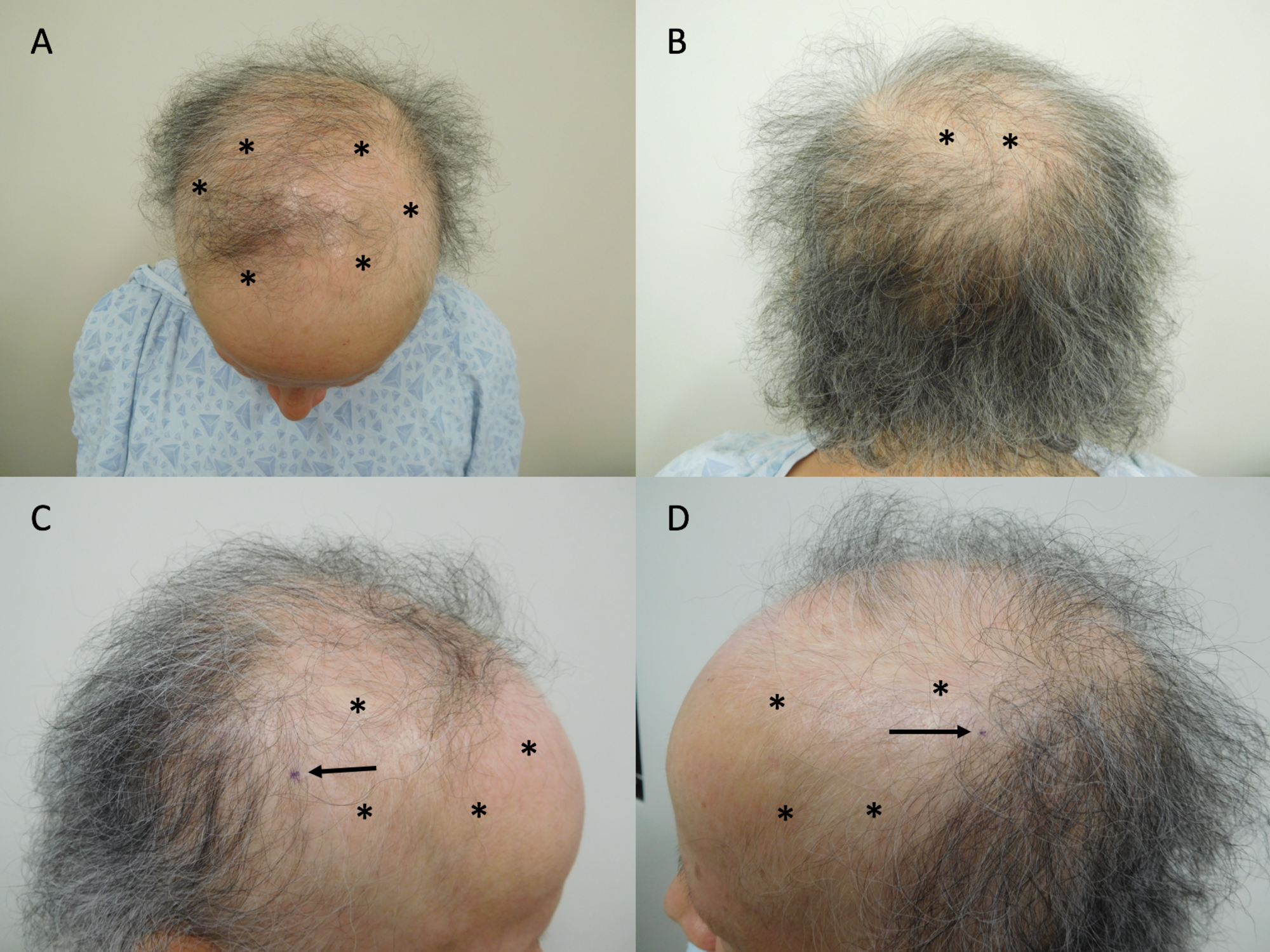
The idea is to slow down the circulation there during an infusion, so the hair follicles won’t be exposed to as much chemotherapy. But cold caps aren’t always very effective, and many patients still lose at least some of their hair anyway. Black people may also be at a higher risk of hair loss that lasts longer than 6 months after treatment ends.
Scalp cooling, also known as scalp hypothermia, has shown some effectiveness with certain chemotherapy drugs. It may prevent some (but not all) hair loss during certain types of chemotherapy treatment. A person may be able to reduce their risk of hair loss during chemotherapy by wearing a cooling cap on their head during chemo. A cooling cap helps cool the scalp, helping reduce blood flow to the area. This can help limit the amount of chemotherapy drugs that reach the scalp. Hair loss with chemotherapy (chemo) varies based on the type of chemotherapy drug or the combination of drugs used, the dosage, and the type of cancer you have.



No comments:
Post a Comment